

close
Choose Your Site
Global
Social Media
Views: 0 Author: Site Editor Publish Time: 2026-01-01 Origin: Site


Structural integrity is a key consideration in construction and engineering projects. Whether it’s a building, a bridge, or any other large-scale structure, ensuring that every component is durable and safe is essential. One of the most vital yet often overlooked aspects of maintaining this integrity lies in the use of edge protection armor joints. These components play a crucial role in safeguarding the edges of structural elements, protecting them from external forces, wear, and impact. In this blog, we will explore why edge protection armor joints are essential, how they contribute to a structure’s long-term stability, and the different scenarios where they are used. Moreover, we will delve into the benefits they offer and how choosing the right supplier can enhance the safety and longevity of your projects.
Edge protection armor joints are designed to prevent damage to the edges of various structural elements, such as walls, floors, and corners, which are especially vulnerable to impact and abrasion. They are typically made from durable materials such as steel, aluminum, or advanced polymers and are installed to provide an extra layer of protection against potential damage during construction, transportation, or daily use. The protection provided by these armor joints ensures that the structural components maintain their form and function, reducing the likelihood of costly repairs or replacements.
Armor joints play a pivotal role in enhancing the durability and longevity of structures by providing protection to the most vulnerable areas, such as edges, corners, and joints. These structural components are typically exposed to higher levels of wear and tear due to their constant interaction with external forces. Edges and joints are more susceptible to damage from mechanical impact, environmental factors, and even moisture ingress. Armor joints act as a first line of defense, protecting these critical areas from potential damage, thereby ensuring that the structure’s overall integrity remains intact.
In the construction and engineering sectors, maintaining the structural integrity of a building or infrastructure project is essential. Armor joints are designed to withstand these challenges, offering a comprehensive solution to prolonging the lifespan of various structures. They are strategically placed in areas where the risk of damage is highest, helping to preserve the functionality and appearance of the entire structure.
One of the most significant advantages of armor joints is their ability to absorb and resist impact. Whether it’s the accidental collision of machinery, equipment, or even human activity, the edges of structural elements are often exposed to significant external forces. Armor joints are specifically designed to take the brunt of these impacts, preventing cracks, chips, or other forms of structural damage. This impact resistance is critical in maintaining the integrity of building components and preventing costly repairs due to edge damage.
The materials used in armor joints, such as steel, aluminum, or advanced polymers, are known for their excellent wear resistance. Structural edges often experience repeated friction or abrasion from both environmental factors and operational use. Whether in high-traffic areas or exposed to frequent mechanical stress, armor joints reduce the risk of surface damage by offering a durable layer of protection. Their ability to resist wear ensures that the structural elements last longer, reducing maintenance costs in the long run.
Moisture is one of the most common culprits in accelerating the degradation of structural components, particularly in areas exposed to humidity or rainfall. Armor joints, especially those made with moisture-resistant materials, prevent water from seeping into the edges of structural elements. By acting as a barrier against moisture, armor joints protect against rust, corrosion, and other forms of deterioration caused by prolonged exposure to water. This protective quality is particularly beneficial for structures located in regions with high humidity or frequent rainfall.
Armor joints are designed to distribute pressure evenly across the edges of structural components. In buildings and other infrastructure projects, the edges are often subject to concentrated loads, which can lead to localized stress and deformation. Armor joints help to alleviate this pressure by evenly distributing the force across a larger surface area, reducing the risk of material failure. This load distribution ensures the structural stability of the entire element and helps to maintain the performance and safety of the building or infrastructure over time.
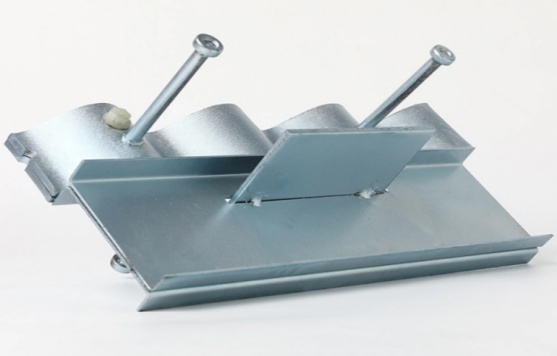
In concrete construction, the edges of slabs, walls, and columns are particularly vulnerable to damage during both the construction phase and throughout the life of the building. Edge protection armor joints provide a durable shield, protecting these concrete surfaces from the impacts of machinery, tools, or even daily activities in buildings and industrial facilities.
Steel beams and columns are designed to carry heavy loads, but their edges can be prone to dents, scratches, and other forms of impact damage. Armor joints are used to protect these vulnerable areas, ensuring that the steel structure maintains its integrity and functionality over time.
Flooring, especially in high-traffic areas, can experience substantial wear along the edges. Armor joints are often used along the perimeter of floors, where wear and tear can be the most significant, ensuring that the flooring remains secure and aesthetically intact.
The edges of doors and windows are particularly exposed to damage from daily usage. Armor joints around doorframes and window edges provide an extra layer of protection against knocks, scrapes, and weather-related damage, preserving both the functionality and appearance of these components.
The effectiveness of edge protection armor joints largely depends on the materials used in their construction. Various materials offer distinct advantages, and choosing the right one for your project is crucial. Below are some of the most commonly used materials for armor joints:
Material | Advantages | Best Use Cases |
Stainless Steel | High strength, corrosion resistance, durability | Suitable for high-impact areas, such as doors and steel structures |
Aluminum | Lightweight, corrosion-resistant, easy to install | Ideal for applications requiring minimal weight, like door frames |
Polyurethane | Flexible, impact-absorbing, weather-resistant | Best for areas exposed to moisture or extreme temperatures |
Rubber | Shock-absorbing, cost-effective, provides cushioning | Used in lower-impact areas, like floor edges |
Choosing the right material ensures that the armor joints will provide optimal protection and longevity based on the specific needs of your project.
Armor joints are not only a protective feature during the construction phase but also an essential element for ongoing maintenance. Over time, the protection provided by armor joints may wear out due to environmental factors or mechanical damage. Regular inspections and maintenance are crucial to ensure the continued effectiveness of the armor joints. Here are some maintenance tips:
Regular Inspections: Check the armor joints periodically to ensure they are intact and functioning properly. Look for signs of wear or damage, such as cracks, warping, or missing sections.
Cleaning and Maintenance: Depending on the material, regular cleaning and maintenance may be necessary to prevent the buildup of dirt, dust, or moisture.
Repairs and Replacements: If any damage is detected, promptly repair or replace the affected armor joints to maintain the protection of the structure’s edges.
By taking proactive measures to maintain edge protection armor joints, you can avoid costly repairs and ensure that your structure remains secure and durable.
At Suzhou Tianheng Engineering Materials Co., Ltd., we specialize in the design, manufacturing, and supply of high-quality edge protection armor joints. Our products are engineered to provide exceptional durability and performance in a wide range of applications. Whether you’re working on a commercial, residential, or industrial project, we offer custom solutions tailored to meet your needs.
We use only the highest quality materials to ensure that our armor joints provide optimal protection for structural edges, minimizing maintenance costs and maximizing the longevity of your structure. If you’re looking for reliable and effective edge protection armor joints, we invite you to contact us today to learn more about our products and services.
Q1: What are edge protection armor joints?
A1: Edge protection armor joints are protective components installed at the edges of structural elements to prevent damage from impact, wear, and environmental factors.
Q2: Why are armor joints important for structural integrity?
A2: Armor joints protect the most vulnerable areas of a structure, such as edges and corners, from damage, ensuring the longevity and stability of the entire building.
Q3: How do I choose the right material for armor joints?
A3: The choice of material depends on the application and environmental factors. Stainless steel is ideal for high-impact areas, while polyurethane or rubber may be better for areas exposed to moisture or temperature extremes.
Q4: How often should I inspect armor joints?
A4: Armor joints should be inspected regularly, particularly after heavy use or exposure to extreme conditions. Early detection of damage allows for timely repairs or replacements.


