

close
Choose Your Site
Global
Social Media
Views: 0 Author: Site Editor Publish Time: 2025-11-05 Origin: Site


You encounter temperature changes, vibrations, and shifting loads in every construction project. An Expansion Joint helps you manage these forces by allowing materials to move safely. Without this simple but effective feature, bridges, roads, and buildings would face cracks or even serious structural damage. Studies show that expansion joints prevent these problems by letting structures adapt, which keeps you safe and extends the life of your infrastructure.
You see Expansion Joints in many structures around you. These are special components that allow buildings, bridges, and other structures to move safely when temperatures change or when the ground shifts. An Expansion Joint fills the gap between two parts of a structure, so each part can expand or contract without causing damage. Engineers use different materials to make these joints, each with its own advantages:
| Material | Advantages |
|---|---|
| Cork | Economical for less demanding environments |
| Foam | Cushions and adds flexibility |
| Metal | Strong and resists corrosion, great for industrial use |
| Rubber | Flexible and stands up to harsh weather |
| Neoprene | Resists oil, chemicals, and weathering |
| EPDM | Handles ozone, UV, and extreme temperatures |
| Braided Material | Distributes load, adapts well, made from steel or fiber |
| Rubber Fabrics | Seals and absorbs movement and vibration |
You need Expansion Joints to keep structures safe and long-lasting. Without them, buildings and bridges can crack or even fail when materials expand or contract. For example, in a large building project, skipping these joints caused walls to lean out of place after heavy rain. The team had to fix the problem and add temporary joints to prevent it from happening again. Expansion Joints also help prevent cracks, leaks, and other damage by absorbing movement and stress. This keeps your structures strong and extends their lifespan.
Expansion Joints use several parts to manage movement and protect structures. Here are some common components:
Joint sealant: Blocks water and dirt from entering the joint.
Joint filler: Compresses to let the joint expand.
Dowel bar: Guides movement and connects sections.
PVC dowel sleeve: Lets the dowel bar move while keeping water out.
Bond breaker tape: Stops sealant from sticking where it should not.
Cradle bar: Holds the dowel bar in place.
You find Expansion Joints in many industries. In construction, they manage movement in bridges and buildings. In automotive, they absorb heat in exhaust systems. In energy, they handle movement in pipelines and power plants.
| Industry | Functionality | Examples |
|---|---|---|
| Construction | Manage thermal expansion and contraction in structures | Bridges, high-rise buildings |
| Automotive | Absorb thermal expansion in exhaust systems | Exhaust systems |
| Energy | Compensate for movement in piping systems due to thermal changes and vibrations | Power plants, petrochemical pipelines |
These joints let structures move safely, absorb stress, and prevent damage from temperature changes or shifting loads.

You often see temperature changes cause materials in buildings and bridges to expand or contract. An Expansion Joint gives these materials the space they need to move without causing harm. Flexible materials like rubber or foam inside the joint compress and expand as needed. This design lets concrete and steel shift during hot summers or cold winters. Without this feature, you might notice cracks or buckling in concrete, especially in areas with extreme seasonal changes. By managing temperature-induced movement, Expansion Joints help keep your structures stable and safe all year round.
Tip: In regions with large temperature swings, always check that your Expansion Joint is in good condition to prevent unexpected damage.
Every day, structures face more than just temperature changes. Vibrations from traffic, machinery, or even wind can create mechanical stress. Expansion Joints absorb and distribute these forces, so the structure does not suffer from internal pressure. You will find that these joints play a key role in high-traffic areas like bridges and highways. They prevent internal forces from building up, which reduces the risk of cracks or warping. Proper installation and regular maintenance of Expansion Joints ensure that your infrastructure can handle heavy loads and constant movement.
Expansion Joints address:
Thermal expansion
Vibrations
Mechanical movements
You want your buildings and bridges to last as long as possible. Expansion Joints help you achieve this by preventing structural damage before it starts. They provide flexibility, so materials can move without breaking or cracking. This not only keeps your structure safe but also reduces maintenance costs over time. The table below shows how Expansion Joints protect your investment:
| Aspect | Benefit |
|---|---|
| Stress and Load Reduction | Alleviates internal forces that could lead to failures |
| Crack Prevention | Absorbs movement, reducing the risk of cracks and damage |
| Enhanced Longevity | Extends the lifespan of structures by minimizing stress and damage |
In places with harsh climates or heavy use, Expansion Joints prove essential. They keep your infrastructure strong, safe, and reliable for years to come.
You see wall expansion joints in concrete walls of buildings and parking structures. These joints absorb stress from movement and allow for expansion and contraction when temperatures change. Wall expansion joints maintain the integrity of your building by accommodating movement and preventing cracks.
Absorb stress from movement
Allow for expansion and contraction due to temperature changes
Provide structural support while accommodating deformations
Wall expansion joints stand out because they are designed to handle the unique stresses that walls face. You rely on them to keep your walls strong and stable, even when the weather changes quickly.
Floor expansion joints play a key role in commercial and industrial flooring systems. You use them to let concrete slabs expand and contract naturally. This flexibility helps prevent cracks and damage. When you install floor expansion joints, you protect your floors from heavy foot traffic and equipment movement. These joints keep concrete slabs stable and solid, which means your floors last longer and stay safe for everyone.
Tip: Regularly inspect floor expansion joints in high-traffic areas to catch early signs of wear.
Roof expansion joints address several challenges in large-scale roofing systems. You need them to accommodate horizontal, vertical, and shear movement while keeping the roof waterproof. These joints prevent water infiltration, manage ponded water, and ensure durability against damage from roof traffic.
| Challenge | Description |
|---|---|
| Accommodating movement | Allows for horizontal, vertical, and shear movement while remaining waterproof. |
| Preventing water infiltration | Keeps out air, water, and moisture to protect the building. |
| Managing ponded water | Prevents standing water that can harm the roof. |
| Ensuring durability | Withstands damage from roof traffic and weather. |
Roof expansion joints help you maintain a safe and dry environment inside your building.
Industrial rubber expansion joints improve the performance of piping systems in chemical plants and factories. You use them to relieve stress from movement, isolate vibration, and reduce noise. These joints also compensate for misalignment and withstand water hammer impact. Rubber expansion joints resist corrosive fluid erosion, which makes them ideal for harsh environments.
Absorbs vibration and noise
Compensates for axial, lateral, and angular displacements
Withstands water hammer impact
Resists corrosive fluid erosion
You depend on industrial rubber expansion joints to keep your piping systems running smoothly and safely.
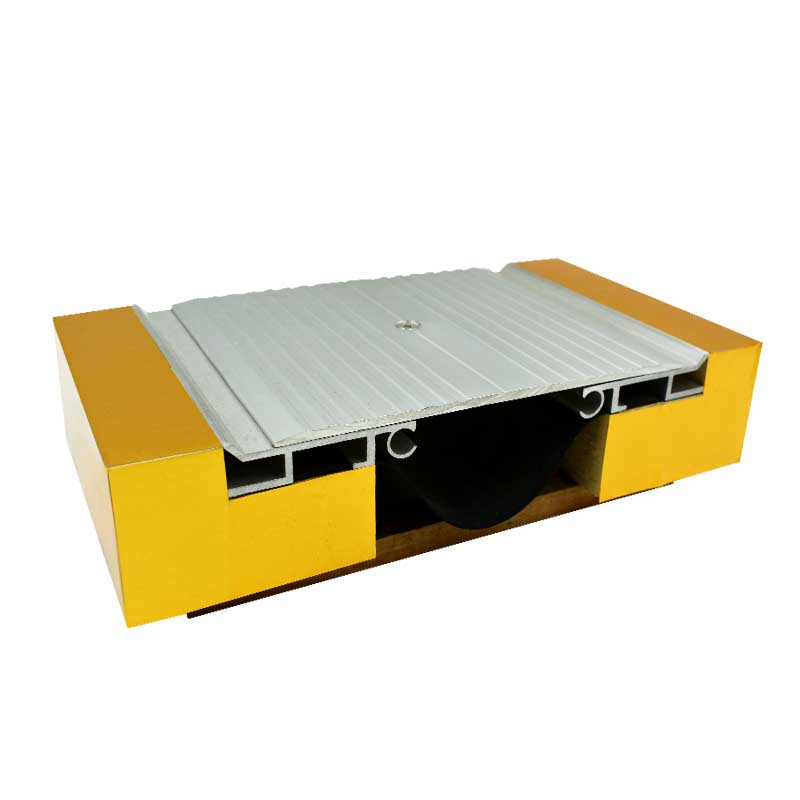
You benefit from the versatility of these joints in many construction settings. They adapt to different movement needs, whether you work on a small building or a large bridge. You can choose from single seal, double seal, or multi-seal types, each designed for specific movement scenarios. The table below shows how each type fits different applications:
| Type of Joint | Application Context |
|---|---|
| Single Seal | Suitable for applications with minimal movement. |
| Double Seal | Designed for moderate movement scenarios. |
| Multi-Seal | Addresses complex movement requirements, enhancing adaptability for various construction needs. |
You see these joints used in buildings, highways, and industrial plants. Their ability to handle temperature changes, seismic activity, and wind pressure makes them a top choice for engineers.
You find that installing these joints is straightforward when you follow best practices. Start by evaluating the site for groundwater, soil pressure, and expected movement. Next, coordinate with all trades to ensure proper placement. Select products that match your project’s needs and use qualified installers for the job. Regular inspections and maintenance plans help you catch issues early. Here are some steps you should follow:
Evaluate site conditions and minimize unnecessary joints.
Coordinate installation with all trades involved.
Choose products with proven performance and strong support.
Plan for maintenance and repairs, especially in critical areas.
This approach saves you time and reduces the risk of mistakes during construction.
You rely on modern joints for their long-lasting performance and safety. Newer designs offer 100% water tightness and a service life of over 25 years. They also reduce maintenance costs by up to 40%. These joints prevent cracks and deformations, keeping your structure stable. Safety standards matter, too. Many joints meet certifications like UL 2079 and ASTM E-1966, which test for fire resistance and help prevent the spread of fire and smoke. You can trust these features to protect your building and everyone inside.
You see how expansion joints protect buildings and bridges from cracks and costly repairs. Recent studies show that sizing joints correctly can reduce damage during earthquakes and improve safety. Leading companies like Sika, Emseal Joint Systems, and Proco Products offer reliable solutions.
Expansion joints help manage movement, absorb loads, and extend the life of your infrastructure. For more details, explore resources on ceiling expansion joints and maintenance tips from industry experts.
You use expansion joints to let structures move safely. These joints absorb changes from temperature, vibration, and load. You prevent cracks and keep buildings strong.
You install expansion joints in bridges, buildings, highways, and industrial plants. You place them in walls, floors, roofs, and piping systems. Each location needs a specific type.
You should inspect expansion joints at least once a year. You check for wear, leaks, or movement issues. Regular checks help you catch problems early.
Expansion joints help you avoid dangerous cracks and failures. You keep your structure stable and protect people inside. Safety improves when you use the right joint for each application.


