

close
Choose Your Site
Global
Social Media
Views: 0 Author: Site Editor Publish Time: 2025-12-25 Origin: Site


In construction, ensuring the longevity, strength, and stability of a concrete flooring system is essential. One of the most critical components in achieving these objectives is the proper installation of armor joints. As industries continue to push the boundaries of construction techniques, concrete flooring has become a fundamental element in various high-traffic and high-stress environments. Armor joints play a crucial role in ensuring that concrete flooring withstands wear, weathering, and heavy loads while maintaining its structural integrity.
At Suzhou Tianheng Engineering Materials Co., Ltd., we understand the importance of providing high-quality solutions for the construction and industrial sectors. Armor joints are integral in concrete flooring, offering exceptional durability, resistance to wear and impact, and flexibility. By integrating armor joints into concrete flooring systems, contractors and engineers can achieve enhanced performance and reliability. In this article, we will explore the various reasons why armor joints are essential in concrete flooring, highlighting their benefits, applications, and key considerations.
Armor joints, also known as expansion joints or movement joints, are specially designed elements that are installed in concrete flooring systems to accommodate the natural expansion and contraction of concrete. Concrete, like many building materials, can expand or contract due to temperature changes, moisture variations, and mechanical forces. Without a mechanism to allow this movement, concrete can crack, resulting in structural damage that may be costly to repair.
Armor joints provide a controlled path for this movement, ensuring that the floor remains intact and maintains its functionality. Typically, armor joints are made of high-strength materials such as steel, stainless steel, or alloys, offering excellent resistance to wear, impact, and corrosion. The joint is designed to absorb stresses, distribute forces, and protect the integrity of the flooring system. These joints also help in controlling cracking, which is essential for long-term durability.
Armor joints in concrete floors are commonly used in industrial and commercial buildings, warehouses, parking garages, and areas exposed to heavy loads and traffic. They can also be found in environments where temperature fluctuations or seismic activity may cause the floor to shift or move.
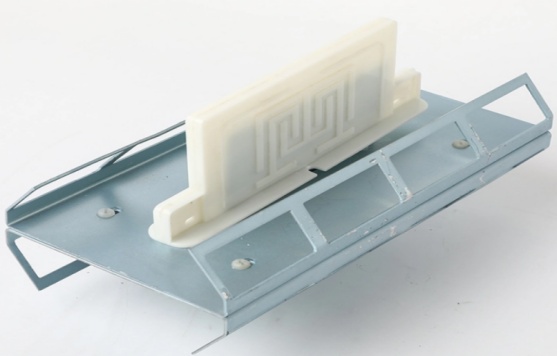
Armor joints provide numerous benefits that contribute to the long-term success of a concrete flooring system. Below are some of the key advantages of incorporating armor joints into concrete flooring installations:
Concrete is a strong, rigid material, but it’s not immune to cracking under stress. Factors such as temperature changes, heavy loads, and ground shifting can all cause concrete slabs to expand and contract, which can lead to cracks over time. Armor joints are designed to absorb the stresses caused by these environmental and physical factors, providing a controlled space for the concrete to move without causing damage. By allowing for expansion and contraction, armor joints help maintain the integrity of the concrete, reducing the chances of cracks or structural damage. This proactive approach to managing stress ensures that the floor remains intact, even under pressure from heavy equipment or extreme temperature fluctuations. In addition to preventing cracks, armor joints also protect against the wider structural damage that can occur when movement is not properly managed. This ultimately reduces the need for costly repairs or replacements, saving both time and money in the long run.
Concrete floors in high-traffic or industrial settings face constant wear and tear from foot traffic, machinery, and equipment. Armor joints play a key role in reinforcing these floors, allowing them to endure heavy loads and continuous movement. Made from high-strength materials such as stainless steel or specialized alloys, armor joints are designed to resist damage over time, ensuring that the joints remain functional and secure. By providing additional protection to the concrete, these joints enhance the overall durability of the flooring system, significantly extending its lifespan. In environments where floor stability is crucial, such as warehouses, factories, or parking garages, armor joints ensure that the surface remains smooth, functional, and free of cracks, reducing maintenance needs and improving the floor’s long-term performance.
Armor joints are designed to resist corrosion, particularly in environments where concrete floors are exposed to moisture, chemicals, or extreme weather conditions. For instance, in marine or outdoor settings, the corrosion-resistant properties of armor joints prevent premature degradation caused by saltwater, humidity, or chemicals. This makes armor joints an ideal solution for industries where floors need to endure harsh environments, such as food processing, pharmaceutical manufacturing, or coastal construction projects.
In high-traffic areas, concrete floors are subject to constant pressure from foot traffic, heavy equipment, and machinery. Over time, this pressure can cause shifts or cracks in the floor. Armor joints help distribute the load more evenly across the flooring system, reducing the risk of uneven surfaces that may lead to tripping hazards or equipment damage. By ensuring the stability and smoothness of the concrete floor, armor joints contribute to a safer work environment.
While the initial cost of installing armor joints may seem higher than that of standard concrete floors, the long-term benefits outweigh the cost. Armor joints reduce the likelihood of structural damage, repairs, and maintenance, leading to lower overall operational costs. In environments where downtime can result in significant financial losses, the durability provided by armor joints can significantly reduce the need for costly fixes, ensuring a better return on investment.
Armor joints are used in a variety of applications where concrete flooring systems are exposed to high stresses, temperature fluctuations, or heavy traffic. Some of the most common applications include:
Application | Description | Benefits |
Industrial Warehouses | Concrete floors in large warehouses need to withstand constant traffic, heavy machinery, and temperature changes. | Ensures that floors remain stable under heavy loads, preventing cracks. |
Parking Garages | Parking structures experience regular vehicle traffic and environmental changes. | Protects floors from cracking due to vehicle weight and temperature shifts. |
Shopping Malls | High foot traffic and machinery, coupled with frequent temperature fluctuations, can cause stress to concrete floors. | Maintains smooth, durable surfaces in high-traffic areas. |
Food Processing Facilities | Concrete floors in food processing environments are subject to moisture and chemical exposure. | Provides corrosion resistance in wet and harsh environments. |
Stadiums and Arenas | High-impact sports environments require durable flooring that can withstand constant physical stress. | Enhances the floor's ability to absorb shocks and resist wear. |
When planning to install armor joints in concrete flooring, there are several key considerations to keep in mind to ensure proper installation and optimal performance:
Proper Sizing: Ensure that the armor joints you choose are the correct size for the specific application. Joint size will depend on the dimensions of the flooring and the expected movement.
Material Compatibility: Choose armor joints made from materials that are compatible with the environment. For instance, stainless steel joints are ideal for marine environments, while steel may be sufficient for indoor applications.
Environmental Factors: Consider the environmental conditions the concrete floor will be exposed to. High-humidity areas, chemical exposure, or extreme temperatures require armor joints with enhanced corrosion resistance.
Load Capacity: Armor joints should be selected based on the load the concrete floor will bear. Heavy-duty joints are required in high-traffic or industrial environments, while lighter joints may suffice for residential or commercial spaces.
Armor joints are an essential component in concrete flooring systems, providing numerous benefits that contribute to the overall strength, durability, and longevity of the floor. Whether you are working in a high-traffic warehouse, a marine environment, or a construction site, armor joints ensure that the flooring system remains intact and reliable. By choosing the right armor joints for your specific application, you can enhance the structural integrity of your project while reducing maintenance costs and increasing safety.
At Suzhou Tianheng Engineering Materials Co., Ltd., we offer high-quality armor joints and other engineering materials designed for demanding environments. For more information about how our products can help you achieve reliable, long-lasting flooring solutions, feel free to contact us today.
1. What are armor joints, and why are they important in concrete flooring?
Armor joints are specially designed components that allow concrete to expand and contract without cracking. They are essential for maintaining the integrity of the floor and protecting it from wear, impact, and environmental damage.
2. Can armor joints be used in outdoor applications?
Yes, armor joints are ideal for outdoor applications where concrete floors are exposed to weather, moisture, and chemicals. They are available in corrosion-resistant materials that make them suitable for marine, industrial, and construction settings.
3. How long do armor joints last?
Armor joints are designed to last for many years, especially when made from high-strength materials like stainless steel or specialized alloys. The durability and longevity depend on the materials used and the environmental conditions.
4. Are armor joints cost-effective for large projects?
Yes, armor joints are cost-effective in the long run as they prevent cracks, reduce maintenance costs, and ensure the longevity of the concrete flooring. Their ability to withstand heavy traffic and extreme conditions helps reduce the need for costly repairs.


