

close
Choose Your Site
Global
Social Media
Views: 0 Author: Site Editor Publish Time: 2025-11-03 Origin: Site


The purpose of the expansion joint in a bridge is to let the structure move safely as temperatures change and heavy vehicles pass over it. You rely on these joints to maintain the safety and durability of bridges every day. Expansion joints allow concrete to expand and contract without cracking, provide space for movement from temperature changes or vehicle weight, and help maintain the structural integrity of the bridge. You benefit from smoother rides and fewer repairs because these joints protect against damage.
You see bridges every day, but you might not realize how much they move. When temperatures rise or fall, the materials in a bridge expand and contract. Expansion joints handle this movement by creating a gap that lets the bridge deck shift without causing cracks or damage. Civil engineering experts agree that expansion joints are essential for preventing structural damage and ensuring the safety and longevity of bridges. The table below shows the typical movement range for common types of expansion joints used in temperate climates:
| Type of Joint | Typical Movement Range | Notes |
|---|---|---|
| Compression Joints | 2 to 3 inches | Commonly used in bridge construction. |
| Bonded Seal Joints | 2 to 3 inches | Requires careful installation and inspection. |
You depend on bridges to stay strong during storms, earthquakes, and heavy winds. Expansion joints absorb these structural movements, protecting the bridge from stress and damage. These joints use materials like rubber and metal alloys, which flex and return to shape. Without expansion joints, forces from wind, seismic activity, and traffic could cause serious problems. The transition between bridge sections stays smooth because these joints absorb movement and prevent misalignment.
Every time a heavy truck crosses a bridge, it creates vibrations and dynamic loads. Expansion joints, especially those filled with polymer-modified rubber asphalt, help absorb these forces. This material offers excellent elasticity and water resistance, making it ideal for bridge expansion joints. You benefit from a more durable bridge and a smoother ride. The sealant in buried joints also absorbs stress, reducing deformation and improving ride quality.
The sealant material in buried joints must absorb stresses effectively.
An elastic restoring force of 40–70% is crucial for minimizing deformation from traffic loads.
Polymer-modified rubber asphalt is preferred due to its superior elasticity, adhesion, and water resistance.
You expect a safe and comfortable drive across bridges. Expansion joints make this possible by allowing controlled movement between bridge sections. They maintain a smooth driving surface, even as the bridge expands and contracts or handles heavy traffic. This helps prevent bumps and gaps that could disrupt your journey. In high-traffic areas, expansion joints play a key role in keeping traffic moving safely and efficiently.

You benefit from expansion joints that use advanced materials to deliver strength and flexibility. Engineers select materials based on the demands of each bridge.
Foam joints keep moisture out and remain lightweight.
Rubber joints provide flexibility and resilience, ideal for frequent movement.
Metal joints handle heavy loads and resist fire.
Textile and fabric reinforcements, such as tire cord, boost strength and movement capabilities.
Material validation is essential when designing a high-performance expansion joint. Choosing the wrong material can lead to leaks or reduced pressure ratings, which may shorten the life of the joint.
You rely on reinforced sealing systems to keep water out of bridge structures. Waterproofing creates a secure barrier that prevents water from entering and causing damage. Robust sealants protect against rain and groundwater, helping maintain the structural integrity of bridges. If water gets through, it can lead to dampness, flooding, and deterioration of critical components.
You experience safer and longer-lasting bridges because of precision engineering in expansion joints. Engineers design these joints to prevent cracks and gaps in pavement. Precision ensures that joints accommodate movement, vibration, and thermal expansion. This reliability helps maintain the bridge’s structural integrity and extends its lifespan.
Expansion joints absorb movement in several directions. The table below shows how these joints handle different types of movement and maintain performance:
| Feature | Description |
|---|---|
| Movement Directions | Axial (compressive), lateral (shear), angular (bending) |
| Material Types | Non-metallic (rubberized, composite) and metallic (bellows type) |
| Construction | Flexible materials maintain structural integrity, allowing for thermal expansion and contraction |
| Functionality | Absorbs pressure changes and maintains constant volume through balancing bellows |
You depend on expansion joints to manage water and prevent corrosion. Best practices include accurate sizing, proper material selection, and effective sealing. Regular maintenance keeps joints free of damage and reduces costly repairs. Proper water management protects bridges from deterioration and extends their service life.
You benefit from expansion joints that are easy to install and maintain. Lightweight non-metal options simplify installation and reduce labor costs. Minimal maintenance requirements mean you spend less on repairs over time. Customizable shapes and sizes allow engineers to fit joints to any bridge design, making upkeep straightforward and cost-effective.
You encounter high-traffic bridges every day. These structures demand expansion joints that can handle constant movement and heavy loads. Engineers design these joints to absorb movement, accommodate shrinkage, and withstand vehicle loads. You benefit from a seamless road surface that keeps traffic flowing smoothly. The table below highlights how specific adaptations improve performance in busy environments:
| Adaptation | Benefit |
|---|---|
| Absorbs movement | Maintains flexibility and durability in bridge structures. |
| Accommodates shrinkage and thermal expansion | Ensures structural integrity under varying temperature conditions. |
| Withstands vehicle loads | Enhances safety and performance under high-traffic conditions. |
| Ensures seamless road surface continuity | Improves traffic flow and reduces wear on the bridge surface. |
| Prioritizes durability and reliability | Increases the longevity of the bridge and reduces maintenance needs. |
You rely on railway bridges for safe and efficient travel. Expansion joints in these bridges must support heavy train loads and frequent vibrations. Engineers use reinforced materials and precision designs to keep the joints stable. You experience fewer disruptions and safer journeys because these joints prevent misalignment and absorb the constant movement of trains.
Tip: Regular inspections help maintain the performance of expansion joints in railway bridges, ensuring safety for passengers and cargo.
You live in regions where earthquakes can strike without warning. Expansion joints in seismic-prone areas receive special design modifications to enhance resilience. Engineers strengthen cap beams and columns, install ground anchors, and repair cracks to maintain safety. The table below shows how these changes help bridges withstand seismic events:
| Design Modification | Purpose |
|---|---|
| Strengthening cap beams, columns, etc. | Enhances overall structural integrity |
| Installing ground anchors | Provides additional stability during quakes |
| Repairing cracks and damaged concrete | Maintains structural safety and durability |
| Replacing worn out expansion joints | Improves flexibility and movement during seismic events |
| Reinforcing with carbon fiber wrap | Increases strength and resilience |
You walk across pedestrian bridges for convenience and safety. Expansion joints in these bridges focus on comfort and accessibility. Engineers select lightweight, flexible materials that absorb movement and prevent tripping hazards. You enjoy a smooth walking surface and reliable performance, even as the bridge adapts to temperature changes and foot traffic.
You need expansion joints that match the movement demands of your bridge project. Different types offer unique movement capacities, which affect how well they handle expansion and contraction. The table below shows how several joint types compare:
| Type of Expansion Joint | Movement Capacity | Applications |
|---|---|---|
| Foam-type Expansion Joint | Varies | Bridges, commercial buildings, parking decks |
| Compression Seal Expansion Joint | < 2.5 inches | Bridges, highways |
| Winged Joint | Varies | Parking structures, stadiums, plazas |
| Inflated Expansion Joints | Increased movement | Bridges, roadways, tunnels |
| Strip Seals | Up to 4 inches | Bridge and parking decks |
You see that strip seals and inflated expansion joints handle larger movements. This flexibility helps prevent damage and keeps the gap between bridge sections safe for traffic.
You want installation to be quick and reliable. Expansion joints with modular designs and lightweight materials make the process easier. Engineers often choose foam-type or strip seal joints for their simple installation steps. You benefit from reduced downtime and lower labor costs. Fast installation also means less disruption to traffic and safer work zones.
Tip: Choose expansion joints with pre-formed shapes for faster placement and better fit.
You look for solutions that balance cost and durability. Expansion joints with high-quality rubber or metal components last longer and require fewer repairs. Strip seals and compression seal joints offer good value because they resist wear and maintain performance over time. You save money on maintenance and extend the life of your bridges.
You face challenges from weather and chemicals. Expansion joints must perform well in extreme conditions, such as freezing temperatures, high humidity, and exposure to de-icing chemicals. Systems like DSM provide watertight seals, resist UV rays, and stay flexible during freeze-thaw cycles. You can rely on these joints to keep your bridge safe and functional year-round.
Handles extreme temperature fluctuations
Endures freeze-thaw cycles
Resists damage from deicing chemicals
You protect your investment and ensure safety by choosing expansion joints designed for tough environments.
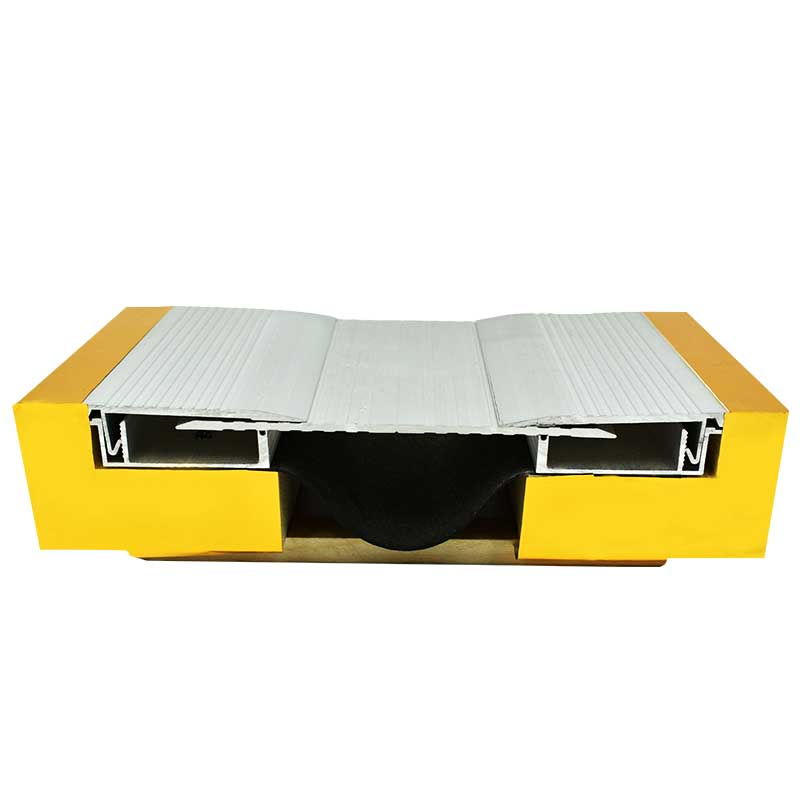
You want expansion joints that meet strict quality standards. Certifications show that these products pass important tests for safety and durability. You often see expansion joints with marks from organizations like ASTM, AASHTO, and ISO. These certifications prove that the joints can handle heavy loads, resist water, and last for many years. When you choose certified expansion joints, you help protect bridges from damage and ensure safe travel for everyone.
Tip: Always check for certification labels before selecting expansion joints for your project. Certified products give you peace of mind and help you meet local building codes.
You also need to follow regulatory standards when you select and install expansion joints. These rules make sure that joints meet safety and performance requirements. You must consider permitting constraints and environmental regulations. Sometimes, you need to protect habitats, follow waterway restrictions, or preserve historical sites. These factors influence which expansion joint you choose and how you install it.
Regulatory standards ensure expansion joints meet safety and performance requirements.
Compliance with permitting constraints and environmental regulations influences selection.
Engineers consider habitat protection, waterway restrictions, and historical preservation.
You measure the success of expansion joints using clear performance metrics. These metrics help you decide if a joint will work well for your bridge. You look at movement capacity, water resistance, load-bearing strength, and ease of maintenance. You also check how well the joint handles temperature changes and vibrations.
| Performance Metric | What You Should Look For |
|---|---|
| Movement Capacity | Handles expected expansion and contraction |
| Water Resistance | Prevents leaks and corrosion |
| Load-Bearing Strength | Supports heavy traffic and vehicles |
| Maintenance Needs | Easy to inspect and repair |
| Environmental Adaptability | Performs well in extreme conditions |
You use these metrics to compare different expansion joints. Strong performance means fewer repairs and safer bridges. Reliable joints help you keep traffic moving and protect your investment.
You see how expansion joints protect bridges from damage and reduce the risk of a safety hazard. These joints help bridges last longer and keep travel safe for everyone. You can explore more about bridge engineering to understand how experts design structures that stand strong.
Stay curious and learn how regular maintenance keeps bridges safe for your community.
You risk cracks, misalignment, and structural damage. Expansion joints prevent these problems by allowing the bridge to move safely. Without them, repairs become frequent and costly.
You should inspect expansion joints at least once a year. Regular checks help you spot wear, leaks, or damage early. This keeps the bridge safe and extends its lifespan.
You benefit from expansion joints designed for harsh climates. Engineers use materials that resist freezing, heat, and chemicals. These joints keep bridges safe during storms and temperature swings.
You may hear some noise when vehicles cross expansion joints. Modern designs use flexible materials and precise installation to reduce sound. This helps you enjoy a quieter ride.
You perform basic cleaning and inspections. Some joints need sealant replacement or tightening. Engineers design many expansion joints for easy maintenance, so you spend less time and money on repairs.


