

close
Choose Your Site
Global
Social Media


In the world of construction, heavy machinery, and industrial systems, durability and strength are paramount. Whether it's a complex structure or a critical piece of equipment, ensuring that all components stay secure and intact is essential for optimal performance and safety. One of the most effective solutions for achieving this is the use of armor joints. But what exactly is an armor joint, and why is it so important?
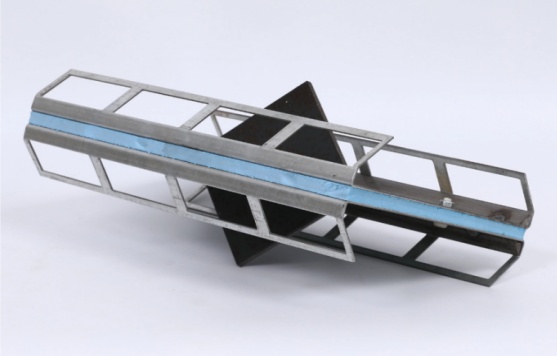
An armor joint is a specialized component designed to protect and strengthen the connection between two materials, typically in applications where the joint is exposed to high stress, friction, or harsh environmental conditions. Armor joints are commonly used in industries such as construction, automotive, marine, and manufacturing to provide additional support where traditional fasteners might fall short. These joints consist of a combination of high-strength metals and specialized coatings designed to resist wear, corrosion, and impact.
The main purpose of an armor joint is to ensure that the connection between two materials or structures remains intact, even under extreme conditions. Whether it's securing structural elements in a building, providing protection against vibration in heavy machinery, or safeguarding vital components in marine applications, armor joints play a critical role in maintaining the integrity and performance of systems.
Armor joints are engineered with precision to withstand the toughest conditions. The structure typically consists of two main parts: the core and the protective coating.
Core: The core is made from high-strength materials such as steel or alloys that provide the joint with its primary load-bearing capability. This part is designed to handle high levels of stress and pressure.
Protective Coating: The outer layer of the armor joint is coated with materials that enhance its resistance to environmental factors like corrosion, moisture, and abrasion. Common coatings include galvanized steel, stainless steel, or coatings like zinc, which are chosen based on the specific application requirements.
The combination of these two components ensures that the armor joint provides both mechanical strength and long-lasting protection against external forces. It is this unique design that allows armor joints to maintain their integrity in challenging conditions and extend the lifespan of the overall system.
The importance of armor joints cannot be overstated, especially in industries where performance, safety, and reliability are paramount. These specialized components play a crucial role in maintaining the integrity of various systems, ensuring that connections between components remain secure and durable under demanding conditions. As industries continue to push the limits of performance and efficiency, the need for strong, reliable connections becomes even more critical. Armor joints provide several key benefits that make them indispensable in many applications. Here are the main reasons why armor joints are so important:
In environments where high levels of friction and repeated motion occur, such as in high-traffic areas or heavy machinery, joints are often subject to excessive wear. Armor joints are designed to provide a protective barrier, reducing the wear and tear on these critical connections. This not only extends the life of the joint itself but also improves the overall longevity of the system, reducing the frequency of maintenance and repair needs. In industries like automotive manufacturing or construction, where machinery operates under high stress, armor joints are essential for maintaining smooth and efficient operations.
Many industries, such as marine, construction, and chemical processing, work in environments where exposure to moisture, chemicals, and other corrosive elements is a constant concern. Armor joints are often coated with corrosion-resistant materials, such as stainless steel or specialized alloys, which protect the connections from premature degradation. This corrosion resistance is vital for ensuring that critical connections remain intact over time, especially in harsh outdoor environments or areas exposed to salty or acidic conditions. Whether used in ships, outdoor structures, or chemical plants, armor joints help ensure that the system can withstand these corrosive forces.
Armor joints are specifically engineered to withstand impact forces that can be encountered in heavy machinery or construction equipment. In systems where components are subjected to shocks, vibrations, or sudden forces, armor joints help absorb these impacts, preventing damage to the components and the system as a whole. This shock-absorbing ability is crucial for maintaining the stability and safety of heavy-duty machinery and equipment. The enhanced impact resistance ensures that the system can continue to perform under the most demanding conditions, minimizing downtime and reducing the risk of catastrophic failure.
Armor joints play a critical role in reinforcing the structural integrity of a system. By providing a robust connection between components, these joints ensure that connections remain tight and secure, even under heavy loads, vibrations, or stress. This is especially important in industries such as construction, aerospace, and automotive manufacturing, where structural stability is crucial for the safety and reliability of the entire system.
Armor joints are versatile and can be used across a wide variety of industries. Here are just a few examples of where they are commonly applied:
In the construction industry, armor joints are used to reinforce connections in metal structures, steel beams, and concrete panels. They are essential for ensuring the stability of high-rise buildings, bridges, and other large-scale projects where structural integrity is crucial.
In automotive manufacturing, armor joints are used to secure components under high-stress conditions. They are particularly useful in the chassis, suspension, and body systems, where resistance to vibration and impact is essential for the safety and longevity of the vehicle.
The marine industry requires materials and components that can withstand constant exposure to water, salt, and harsh weather conditions. Armor joints are used in shipbuilding to protect vital components such as hulls, joints, and fittings, ensuring they remain intact in corrosive environments.
In industries like mining and construction, heavy machinery operates in demanding environments that require durable and reliable connections. Armor joints are used in machinery like excavators, bulldozers, and cranes to reinforce joints and prevent failures caused by vibration and shock.
Armor joints are also essential in piping and plumbing systems, especially those used in industrial settings, where high pressure, temperature fluctuations, and exposure to corrosive substances are common. The joints help maintain the strength of the connections, preventing leaks and failures in critical systems.
Benefit | Explanation |
Enhanced Durability | Armor joints increase the lifespan of structures and machinery by providing additional protection against wear and environmental damage. |
Corrosion Resistance | Coatings such as galvanized or stainless steel protect against corrosion, making armor joints ideal for outdoor and marine applications. |
Improved Safety | Armor joints reduce the risk of failure in critical systems, enhancing the safety of equipment and structures. |
Cost-Effective | By extending the lifespan of systems and reducing maintenance needs, armor joints provide long-term cost savings. |
When selecting an armor joint, several factors need to be considered to ensure that you choose the right product for your specific application. These factors include:
Material Compatibility: Choose armor joints made from materials that are compatible with the metals or substances being joined. For example, if you're working in a high-temperature environment, a heat-resistant armor joint may be necessary.
Environmental Conditions: If the armor joint will be exposed to moisture, chemicals, or extreme weather, selecting a joint with a corrosion-resistant coating is essential.
Load Requirements: Consider the level of stress and load that the joint will need to bear. For heavy-duty applications, you may need a joint with enhanced strength and impact resistance.
Suzhou Tianheng Engineering Materials Co., Ltd. specializes in providing high-quality armor joints designed for various industrial applications. Our products are engineered to offer durability, corrosion resistance, and enhanced structural integrity, making them an ideal choice for construction, automotive, and marine industries. If you're looking to learn more about how armor joints can benefit your project or need assistance in selecting the right product, feel free to contact us. We're here to help you ensure the longevity and reliability of your systems.
1. What are armor joints made from?
Armor joints are typically made from high-strength steel or alloys with a protective coating, such as galvanized steel or stainless steel, to provide resistance to wear, corrosion, and impact.
2. What industries use armor joints?
Armor joints are used in a wide range of industries, including construction, automotive, marine, heavy machinery, and plumbing systems, to provide durable and reliable connections.
3. How do I know if I need an armor joint for my application?
If your application involves high-stress environments, exposure to harsh conditions (like moisture or chemicals), or requires impact resistance, an armor joint may be a suitable choice.
4. How do armor joints improve safety?
Armor joints improve safety by preventing joint failures, which can lead to structural collapse, leaks, or machinery breakdowns. Their durability ensures that critical components remain secure under heavy loads and vibrations.


