

close
Choose Your Site
Global
Social Media
Views: 0 Author: Site Editor Publish Time: 2025-11-06 Origin: Site


Expansion joints play a crucial role in piping and structural systems by accommodating movements caused by thermal expansion, vibrations, and mechanical forces. Understanding the three main types—metallic, fabric, and rubber—can help you select the most suitable option for your specific application. Each type offers distinct advantages tailored to different environmental conditions and operational requirements, ensuring optimal performance and longevity in various systems.
Expansion joints are vital components in piping and structural systems. They absorb movements caused by thermal expansion, vibrations, and mechanical forces. There are three main types of expansion joints: metallic, fabric, and rubber. Each type offers unique benefits and suits different applications.
Metallic expansion joints consist of one or more metal bellows, usually made from stainless steel or nickel alloys. These materials provide excellent strength and resist corrosion. They handle high temperatures and pressures, making them ideal for steam, exhaust, and high-temperature gas systems.
These joints accommodate axial, lateral, and angular movements, offering flexibility in various piping layouts. Often, they include inner sleeves to reduce vibration and extend life. However, careful installation is necessary to avoid stress damage.
Fabric expansion joints are made from flexible materials like fiberglass, PTFE, or elastomeric compounds. They work well in low-pressure environments and can handle large movements in multiple directions. Their high flexibility suits ducts and flue gas systems, where thermal growth and vibrations are common.
Fabric joints can be customized with multiple fabric layers and insulation, withstanding temperatures above 1000°F in some cases. They resist chemicals and abrasion, making them cost-effective for non-metallic piping.
Rubber expansion joints are flexible connectors made from natural or synthetic elastomers reinforced with fabric cords. They absorb vibrations, compensate for thermal movements, and reduce noise in piping systems. Rubber joints are popular across industries like water treatment, oil and gas, and HVAC.
Typically, these joints have metal flanges for easy installation and connection between different pipe materials. Their elasticity allows multidirectional movement without stressing adjacent equipment. They also resist abrasive media and many chemicals, offering a durable, low-maintenance solution.
Understanding the distinct properties of metallic, fabric, and rubber expansion joints helps select the best fit for your system’s temperature, pressure, and movement needs.
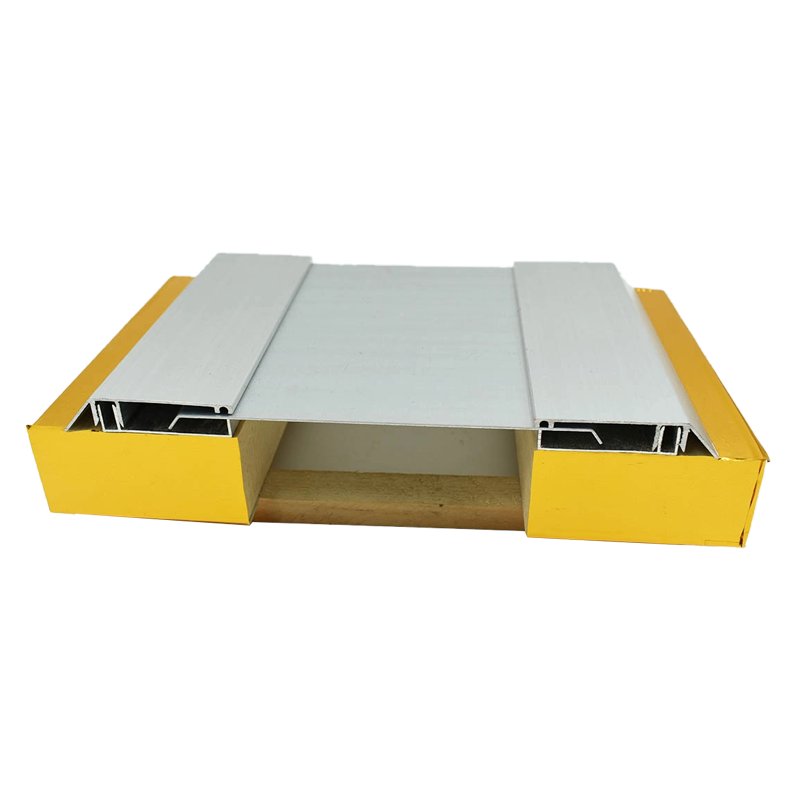
Metallic expansion joints consist mainly of one or more metal bellows. These bellows are typically made from stainless steel or nickel alloys, chosen for their strength and corrosion resistance. The bellows are corrugated, allowing them to flex and absorb movement. Sometimes, manufacturers include inner sleeves made of smooth metal to protect the bellows from the flow of fluids and reduce vibration. The design ensures the joint can handle axial (lengthwise), lateral (sideways), and angular (bending) movements.
The materials used must withstand the operating environment's temperature and pressure. Stainless steel is common because it resists corrosion and high temperatures, while nickel alloys are selected for even more extreme conditions. The thickness and number of convolutions in the bellows affect flexibility and pressure capacity.
Metallic expansion joints are ideal for high-temperature and high-pressure environments. They are widely used in steam pipelines, exhaust systems, and gas transport lines. Their ability to handle various movements makes them versatile for complex piping layouts.
Advantages include:
● High strength and durability
● Excellent resistance to heat and pressure
● Ability to absorb multiple types of movements
● Long service life when properly maintained
They also help reduce noise and vibration when equipped with inner sleeves. These joints prevent stress buildup in piping systems, protecting connected equipment from damage.
Proper installation is critical for metallic expansion joints. They must be aligned carefully to avoid undue stress on the bellows, which can cause premature failure. Supports and anchors should be positioned to control movement and prevent overextension or compression beyond design limits.
Key installation tips:
● Avoid twisting or bending the joint excessively
● Ensure piping is supported near the joint to prevent sagging
● Install the joint in a neutral position, neither compressed nor extended
● Use protective covers or insulation if exposure to harsh environments occurs
Regular inspection after installation helps detect early signs of wear or damage, such as cracks or deformation.
Always follow manufacturer guidelines for metallic expansion joint installation to maximize lifespan and prevent costly failures in high-temperature systems.
Fabric expansion joints are made from flexible materials such as fiberglass, PTFE (polytetrafluoroethylene), or elastomeric compounds. These materials allow the joint to move easily in multiple directions, making them perfect for systems with large thermal expansions or vibrations. The fabric layers are often combined with insulation to handle high temperatures—some designs endure over 1000°F (about 538°C).
The fabric’s flexibility also helps absorb mechanical stresses and vibrations, protecting the piping and connected equipment. Fabric joints resist many chemicals and abrasion, depending on the material type, which makes them suitable for harsh environments. They are lighter than metallic joints and easier to install in many duct and flue gas applications.
Fabric expansion joints are mostly used in low-pressure systems like ductwork, flue gas exhaust, and ventilation systems. Their ability to handle multi-directional movement makes them ideal where pipes or ducts expand, contract, or vibrate regularly.
Benefits include:
● High flexibility for large movements
● Ability to withstand high temperatures when insulated
● Resistance to chemicals and abrasion
● Lightweight and easy installation
● Cost-effective alternative to metal joints in certain applications
They help reduce noise and vibration transmission, improving system performance and comfort in industrial and commercial settings.
Fabric expansion joints can be tailored to meet specific needs. Manufacturers can vary the number of fabric layers, combine different materials, or add insulation depending on the temperature, pressure, and chemical exposure requirements.
Additional customization includes:
● Shape and size adjustments for unusual duct or pipe geometries
● Integration of fire-resistant or anti-static fabrics for safety
● Reinforced edges or flanges for better attachment and durability
● Coatings or liners to improve chemical resistance or abrasion protection
This flexibility ensures fabric joints fit unique applications and extend system life.
When selecting fabric expansion joints, always specify operating temperature, pressure, and chemical exposure to ensure the fabric and insulation materials meet your system’s demands.
Rubber expansion joints are flexible connectors made mainly from natural or synthetic elastomers. These elastomers include materials like EPDM, Neoprene, Nitrile, and Butyl, chosen based on the system’s chemical and temperature requirements. The rubber body is reinforced with fabric cords, often nylon or polyester, to boost strength and durability. This reinforcement lets the joint stretch and compress while maintaining shape and integrity.
Most rubber joints come with metal flanges on each end. These flanges simplify installation by allowing easy connection between pipes or equipment, even if made from different materials. The overall design permits multidirectional movement—axial, lateral, and angular—without transmitting stress to adjoining components. This flexibility helps protect pumps, valves, and other sensitive equipment from damage caused by thermal expansion or mechanical vibrations.
Rubber expansion joints find use in many industries due to their versatility and resilience:
● Water Treatment Plants: They absorb vibrations from pumps and reduce noise in piping systems.
● Oil and Gas: Handle moderate temperatures and pressures while resisting many chemicals.
● Chemical Processing: Selected elastomers resist corrosive fluids, extending joint life.
● HVAC Systems: Reduce noise and compensate for thermal expansion in ductwork.
● Power Generation: Used in cooling water lines and auxiliary piping to prevent stress buildup.
Their ability to absorb shock and vibration makes them especially valuable in systems where equipment longevity and operational stability are priorities.
Rubber expansion joints offer several benefits compared to metallic and fabric types:
● Superior Flexibility: They accommodate complex, multidirectional movements without damage.
● Excellent Vibration Dampening: Their elasticity reduces noise and protects connected equipment.
● Chemical Resistance: Proper elastomer choice provides resistance to many aggressive media.
● Ease of Installation: Flanged designs simplify alignment and connection.
● Cost-Effective Maintenance: They require less upkeep and are easier to replace than metallic joints.
● Abrasion Resistance: Rubber’s toughness helps withstand abrasive particles in the flow.
However, rubber joints typically handle lower temperatures and pressures than metallic joints. They excel in moderate conditions where flexibility and vibration isolation are critical.
When selecting rubber expansion joints, match the elastomer type to your system’s chemical and temperature conditions to maximize durability and performance.
Choosing the right expansion joint depends on several key factors. First, consider the operating temperature and pressure. High temperatures and pressures require stronger materials like metal bellows. For lower temperatures and pressures, fabric or rubber joints may suffice.
Next, think about the type and amount of movement the joint must absorb. Axial, lateral, and angular movements demand different joint designs. If the system faces large or multidirectional movements, flexibility becomes crucial.
Chemical compatibility is another important factor. The joint material must resist corrosion or degradation caused by the fluid or gases flowing through the system. For example, rubber joints come in different elastomers to handle various chemicals.
Installation space and connection type also influence the choice. Some joints need more room to operate, while others fit tighter spaces. Flanged or weld-end connections must match the existing piping.
Finally, consider maintenance requirements and lifespan. Some joints need frequent inspection and replacement, while others last longer but may cost more upfront.
Metallic expansion joints excel at handling high temperatures, sometimes exceeding 1000°F (538°C), and high pressures. They maintain strength and flexibility under extreme conditions, making them suitable for steam and exhaust systems.
Fabric joints tolerate high temperatures too, especially when layered and insulated, but usually operate under lower pressures. They work well in flue gas ducts or ventilation where temperature is high but pressure is moderate.
Rubber joints generally handle moderate temperatures and pressures. Typical limits range from -20°F to 250°F (-29°C to 121°C) and pressures up to about 150 psi (10 bar). They are ideal for water, wastewater, and HVAC systems where vibration isolation is important.
Selecting a joint that matches your system’s temperature and pressure ensures safety and performance.
Vibration and noise can damage piping systems and connected equipment. Expansion joints help absorb these forces, reducing wear and tear.
Rubber expansion joints are especially effective at damping vibrations due to their elastic nature. They reduce noise transmission and protect pumps, valves, and compressors from mechanical stress.
Metallic joints can include inner sleeves or liners to minimize vibration caused by fluid flow. However, they are less effective than rubber joints for vibration isolation.
Fabric joints offer moderate vibration absorption and are often used in systems with fluctuating thermal movements and some vibration.
When vibration control is a priority, rubber joints often provide the best solution, improving system longevity and operator comfort.
Always match expansion joint material and design to your system’s temperature, pressure, movement, and vibration needs to ensure optimal performance and durability.
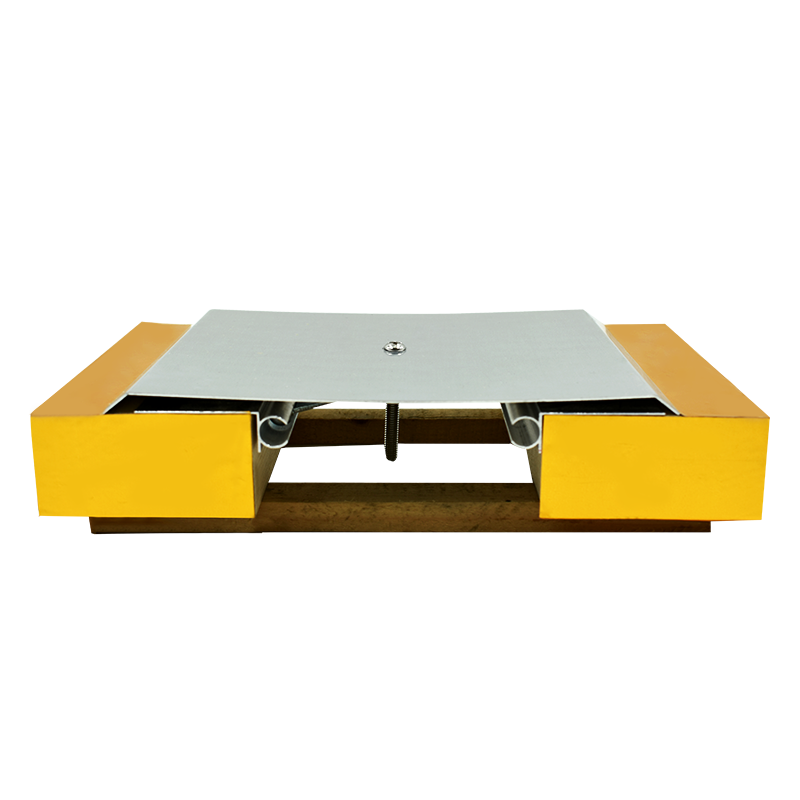
Installing expansion joints correctly ensures they perform well and last long. Begin by checking the manufacturer’s instructions carefully. The joint must be installed in a neutral position, meaning it should neither be compressed nor stretched. This prevents early damage.
Alignment is key. Misaligned joints can cause uneven stress, leading to cracks or leaks. Use proper supports and anchors near the joint to control movement. Avoid twisting or bending the joint during installation, as this can weaken the bellows or fabric.
For metallic joints, ensure no excessive force is applied to the bellows. Fabric and rubber joints need protection from sharp edges and environmental damage. Sometimes, adding insulation or protective covers helps extend the joint’s lifespan, especially in harsh conditions.
Routine inspections help spot issues before they become serious. Look for visible signs like cracks, tears, or corrosion. Check for any deformation or unusual bulging. For metallic joints, inspect the bellows carefully for fatigue or leaks.
Pay attention to the joint’s surroundings. Excessive vibration, unusual noises, or shifts in connected pipes might indicate joint problems. Monitor the joint’s movement during operation to ensure it stays within design limits.
Set a regular inspection schedule based on operating conditions. More frequent checks are necessary in high-temperature, high-pressure, or chemically aggressive environments. Document findings and maintenance actions to track joint health over time.
Knowing when to replace an expansion joint prevents costly failures. Common signs include:
● Cracks or holes in the bellows or fabric
● Leaking fluids or gases
● Permanent deformation or sagging
● Excessive corrosion or rust buildup
● Loss of flexibility or stiffness in rubber joints
● Unusual noises or vibrations near the joint
If any of these appear, plan for replacement promptly. Continuing to use a damaged joint risks system failure and safety hazards.
Replacement intervals depend on the joint type, operating conditions, and maintenance quality. Metallic joints may last many years if installed and maintained well. Fabric and rubber joints often require more frequent replacement due to material fatigue.
Always follow precise installation procedures and schedule regular inspections to catch early wear signs, ensuring your expansion joints function safely and efficiently over their full lifespan.
Expansion joints are crucial for absorbing movements in piping systems. Metallic joints handle high temperatures and pressures, fabric joints offer flexibility for large movements, and rubber joints excel in vibration isolation. Tianheng Company Overview, Expansion Joint Expert - Tianheng provides high-quality expansion joints tailored to specific needs, ensuring optimal performance and durability. Selecting the right joint involves considering temperature, pressure, movement, and chemical compatibility. Proper installation and regular maintenance extend joint lifespan, safeguarding system integrity.
A: The main types of expansion joints are metallic, fabric, and rubber. Each type has unique benefits and is suited to different applications.
A: Metallic expansion joints use metal bellows to absorb axial, lateral, and angular movements, making them ideal for high-temperature and high-pressure environments.
A: Rubber expansion joints offer superior flexibility, vibration dampening, and chemical resistance, making them ideal for moderate temperature and pressure systems.
A: Fabric expansion joints provide high flexibility, resistance to chemicals and abrasion, and are cost-effective for low-pressure systems like ductwork.


