

close
Choose Your Site
Global
Social Media
Views: 0 Author: Site Editor Publish Time: 2026-01-06 Origin: Site


When it comes to heavy machinery, the durability and safety of the equipment are paramount. These machines operate in some of the most demanding environments, where they are subjected to harsh conditions, including extreme weather, rough terrain, and heavy loads. One of the key components in ensuring the longevity and functionality of such machinery is the edge protection armor joint. These vital elements play a significant role in safeguarding critical areas of the machine, preventing damage, and enhancing the overall efficiency of operations.
In this article, we will explore the importance of edge protection armor joints in heavy machinery, their role in improving safety, the materials commonly used for these joints, and the benefits they offer in various industrial applications. Furthermore, we will look at how these joints help extend the lifespan of heavy equipment by minimizing wear and tear in vulnerable areas. As a leading provider of engineering materials, Suzhou Tianheng Engineering Materials Co., Ltd. offers a variety of high-quality edge protection solutions designed to meet the demanding needs of industries such as construction, mining, and agriculture.
Edge protection armor joints are specialized components that protect the edges and corners of heavy machinery from damage due to impacts, abrasion, and other stresses. These joints are typically made from durable materials like steel, rubber, or composite substances and are designed to absorb shock and distribute pressure evenly across the surface.
The main function of armor joints is to protect areas of machinery that are most vulnerable to wear, such as the edges of buckets, blades, or chassis. These high-stress areas are prone to frequent contact with surfaces during operation, leading to damage over time. By providing a protective shield, armor joints help maintain the integrity of the machinery and prevent costly repairs.
Heavy machinery is designed to operate in some of the most challenging and demanding environments. From construction sites to mining operations, these machines are constantly subjected to harsh conditions that put them at risk of significant damage. One of the most effective ways to protect machinery from wear and tear is through the use of edge protection armor joints. These critical components offer numerous benefits that ensure the machine’s performance, safety, and longevity. Let’s explore why edge protection armor joints are crucial for heavy machinery.
One of the most common threats to heavy machinery is physical impact. Whether the machine is maneuvering through rough terrain, handling materials, or working on a construction task, the edges of the machinery often make contact with obstacles. These areas are especially vulnerable, as they frequently face impacts from rocks, debris, and other hard materials. Without proper protection, the machinery’s edges can suffer from dents, scratches, and even structural damage that could compromise its overall integrity.
Edge protection armor joints serve as a barrier, absorbing the impact that would otherwise damage the machine. They are made from durable materials such as steel, rubber, and composite materials, which help to prevent dents and other physical damage to critical components. These joints protect the machine's structure, reducing the likelihood of serious damage that could halt operations or require costly repairs.
In industries such as mining, construction, or even agriculture, heavy machinery often comes into contact with abrasive materials like gravel, rocks, concrete, or other hard substances. These materials can cause significant wear on the machinery, especially in areas that come into constant contact with them, such as the edges, undercarriage, or other exposed parts. Over time, this abrasive wear can weaken the machine, leading to malfunctions or failure.
Armor joints help minimize the effects of abrasive wear by providing a protective layer that resists this type of damage. They effectively act as shields for vulnerable areas, ensuring that the machinery maintains its efficiency and operational capabilities. By protecting against abrasion, these joints help avoid the constant need for repairs or part replacements, which can be both costly and time-consuming. This also ensures the equipment can continue to perform at peak efficiency for longer periods, reducing downtime and improving productivity.
Safety is always a top priority when operating heavy machinery. Exposed edges or vulnerable parts of machinery can be a significant safety hazard, not only to the machine itself but also to the operators and workers around it. When these critical components become damaged, it can lead to malfunctions, which increase the risk of accidents or breakdowns. A malfunctioning machine can be unpredictable and dangerous, causing serious injuries or even fatalities in extreme cases.
Heavy machinery is a significant investment for companies, and its longevity is closely linked to how well it is maintained and protected. The edges and corners of machinery are particularly susceptible to wear and tear, which can accelerate the deterioration of the machine over time. Edge protection armor joints play a crucial role in extending the lifespan of heavy equipment by protecting these vulnerable areas from excessive damage.
Another significant benefit of edge protection armor joints is the improvement in operational efficiency. When machinery is properly protected from impact, abrasion, and other forms of damage, it can operate at optimal levels without the hindrance of performance issues caused by worn-out parts. Machinery with unprotected edges is more likely to experience breakdowns or require repairs, which can disrupt the entire operation and lead to costly downtime.
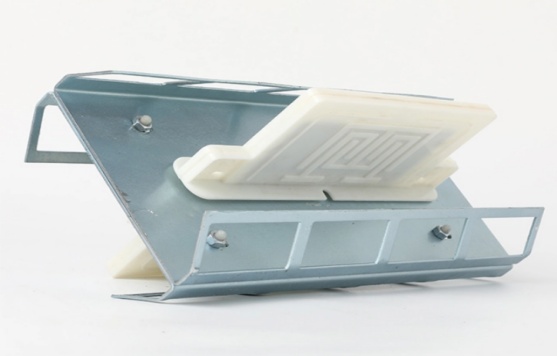
The materials used for edge protection armor joints vary depending on the specific requirements of the application and the environment in which the machinery operates. Some of the most commonly used materials include:
Steel: Steel is one of the most durable materials used for armor joints. It provides excellent protection against physical impacts and is highly resistant to abrasion. Steel armor joints are often used in industries that involve heavy lifting or high-impact activities.
Rubber: Rubber armor joints are often used in applications where flexibility and shock absorption are essential. They are effective in reducing the impact of vibrations and can provide additional cushioning for the machinery. Rubber joints are commonly used in industries like agriculture and forestry.
Composite Materials: Composite materials, such as carbon fiber or fiberglass, are lightweight yet incredibly strong, making them ideal for use in edge protection. These materials are often chosen for applications where weight reduction is a priority without compromising durability.
Polyurethane: Polyurethane is known for its exceptional resistance to wear and tear. It provides a high level of impact resistance and is commonly used in applications where abrasive materials are handled.
The use of edge protection armor joints offers several key benefits for heavy machinery and the industries that rely on them. Here are the primary advantages of using these components:
Benefit | Explanation |
Improved Safety | Protects operators and surrounding workers by reducing the risk of machine malfunctions and accidents. |
Enhanced Durability | Extends the lifespan of machinery by minimizing wear and tear on critical components. |
Cost Savings | Reduces maintenance costs by preventing damage to machinery and decreasing the need for frequent repairs. |
Increased Efficiency | Ensures that machinery operates at its optimal level without interruptions caused by damage or wear. |
Edge protection armor joints are an essential component for maintaining the safety, durability, and efficiency of heavy machinery. These protective elements play a vital role in safeguarding the most vulnerable areas of machinery, preventing damage, and minimizing the need for costly repairs. The use of high-quality materials such as steel, rubber, and composite substances ensures that these joints provide the necessary protection in even the most demanding environments.
At Suzhou Tianheng Engineering Materials Co., Ltd., we understand the critical importance of robust edge protection solutions in enhancing the performance of heavy machinery. Our range of armor joints is designed to meet the needs of industries such as construction, mining, and agriculture, helping our clients achieve optimal performance and extended equipment lifespan.
1. What is the primary function of edge protection armor joints?
Edge protection armor joints primarily protect the edges and corners of heavy machinery from physical impact, abrasion, and wear, extending the lifespan of the equipment.
2. What materials are commonly used for edge protection armor joints?
Common materials include steel, rubber, composite materials, and polyurethane, each chosen for their durability and ability to resist impact and abrasion.
3. Can edge protection armor joints improve operational efficiency?
Yes, by protecting key components of machinery from damage, armor joints ensure smooth operations and prevent performance disruptions, enhancing overall efficiency.
4. How do edge protection armor joints enhance safety in heavy machinery?
By preventing damage to critical components, armor joints reduce the likelihood of mechanical failures or accidents, ensuring a safer working environment for operators and nearby personnel.


