

close
Choose Your Site
Global
Social Media
Views: 0 Author: Site Editor Publish Time: 2025-12-29 Origin: Site


When it comes to ensuring the integrity of industrial piping and cable systems, one crucial element that cannot be overlooked is the installation of armor joints. These specially designed joints are essential for providing strong, durable, and secure connections in demanding environments. Among the various types of armor joints, S-type armor joints stand out due to their unique design and exceptional performance in high-stress conditions. Whether you are in the construction, telecommunications, or electrical industries, understanding how to properly install these joints is key to achieving long-lasting results.
At Suzhou Tianheng Engineering Materials Co., Ltd., we specialize in providing high-quality S-type armor joints tailored for a wide range of industrial applications. With years of experience and expertise in the field, we understand the importance of a precise and reliable installation. This guide will walk you through the essential steps for installing S-type armor joints, ensuring your connections remain strong and secure, no matter the environment.
Before delving into the installation process, it’s essential to understand the components and advantages of S-type armor joints. These joints are typically used in systems that require reinforced connections, such as cable or piping systems exposed to high stress, environmental factors, and mechanical loads. The "S" in S-type armor joint refers to the design of the joint itself, which is shaped to provide a snug fit, preventing movement and ensuring that the connected parts remain stable.
Key Features of S-Type Armor Joints:
Durability: Made from high-strength materials like stainless steel or alloy steel, these joints are designed to withstand extreme temperatures, corrosion, and wear and tear.
Seamless Fit: The S-type design ensures a perfect match between the connected components, preventing leaks and mechanical failure.
Flexibility: S-type armor joints can accommodate slight movements in the connected parts, which is essential in dynamic environments.
Corrosion Resistance: The materials used in these joints are typically resistant to rust, making them ideal for use in harsh, outdoor environments such as marine or industrial settings.
Given their robustness, S-type armor joints are widely used in industries such as telecommunications, energy, manufacturing, and construction. They provide excellent protection to cables and piping systems, ensuring their integrity under high mechanical stress or environmental exposure.
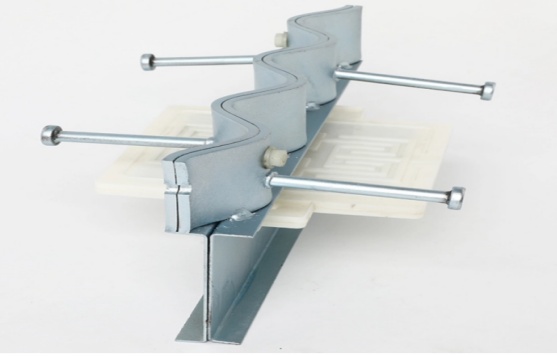
Now that we understand the importance of S-type armor joints and their key features, let’s walk through the installation process. Installing these joints requires precision and attention to detail. Follow these steps to ensure proper installation and secure connections.
Before beginning the installation of S-type armor joints, it’s crucial to gather all the necessary tools and materials. Proper preparation will ensure a smoother and more efficient process, as well as contribute to the overall safety and quality of the installation. Below are the essential tools and materials you will need:
Wrenches or Torque Tools: These are required to securely tighten the fasteners. It’s best to use a torque wrench to apply the exact amount of force as recommended by the manufacturer. This ensures that the fasteners are neither too loose, which could cause instability, nor too tight, which could damage the threads or the armor joint itself.
Screwdriver or Drill: Depending on the type of fasteners you’re using (screws or bolts), you will need either a screwdriver or drill to install them. A drill with variable speed settings can also help when you need to adjust the speed of installation for different materials.
Protective Gloves: Safety should always come first when working with materials like metal and heavy tools. Protective gloves will shield your hands from sharp edges, abrasions, or other injuries that could occur during the installation process.
Safety Glasses: Always wear safety glasses to protect your eyes from flying debris, particularly when working with metal parts. Sharp particles or dust can easily cause eye injuries if safety precautions are not followed.
Lubricant (if necessary for ease of installation): Lubricant can help ease the process of fitting the joint, especially when working with metal or rigid materials. It can reduce friction, making the installation smoother and preventing the components from becoming stuck.
Measuring Tape or Ruler: Accuracy is key when installing S-type armor joints. Use a measuring tape or ruler to measure the length of the cable or pipe to be connected, ensuring that you cut them to the correct length. Proper measurements will ensure that the joint fits perfectly and prevents any issues with the installation.
S-Type Armor Joints (Correct Size for Your Application): Ensure that you select the appropriate size and type of S-type armor joints for your specific application. This is critical for achieving a secure, reliable connection. If needed, clean the components to remove any dirt, rust, or debris before installation, as any contaminants can impact the connection’s integrity.
Accurate measurements are essential for ensuring a proper fit. Measure the length of the cable or pipe that will be connected using the armor joint. If necessary, cut the cable or pipe to the correct length using a pipe cutter or wire cutter. Make sure that the edges are clean and smooth to avoid damaging the joint during installation.
Once you have prepared the cable or pipe, position the S-type armor joint over the end of the component. The joint should fit snugly, and the ends of the cable or pipe should align with the joint’s openings. Ensure that the armor joint is in the correct orientation for the intended installation.
Tip: For smoother installation, you can apply a small amount of lubricant to the ends of the cable or pipe to facilitate the fitting process.
Carefully align the armor joint with the connection point. It’s important to ensure that the joint is perfectly aligned with the cable or pipe to prevent any misalignment that could lead to leaks or weak connections. Depending on your specific requirements, you may need to use a clamp or temporary fastener to hold the joint in place while you complete the installation.
Using the appropriate wrenches or torque tools, tighten the fasteners that secure the S-type armor joint in place. Ensure that the fasteners are tightened to the manufacturer’s recommended torque specification to avoid over-tightening or under-tightening. Over-tightening can damage the joint, while under-tightening may result in a loose connection.
Tip: If you’re unsure of the required torque specification, consult the manufacturer’s guidelines or specifications for the S-type armor joint. Using a torque wrench ensures the proper amount of force is applied.
After tightening the joint, inspect the installation to ensure that the connection is secure and that no leaks or movement occur. If the connection feels loose or there are visible gaps, you may need to adjust the tightness of the fasteners or re-align the joint.
Once the joint is securely fastened and aligned, it’s essential to test the connection. Apply pressure to the cable or pipe (depending on the application) to ensure that the connection remains stable under load. For critical applications, you may want to perform additional testing to confirm the integrity of the joint.
S-type armor joints are highly versatile and are used in a variety of industries, each with its specific needs. Here’s a quick look at where these joints are commonly used:
Industry | Application | Benefits |
Telecommunications | Securing cables in high-stress environments | Provides strong, reliable cable protection |
Construction | Fastening steel components in heavy-duty structures | Enhances durability and weather resistance |
Automotive | Assembling under-the-hood components in vehicles | Offers high heat resistance and long-term reliability |
Marine | Connecting parts exposed to saltwater and harsh weather | Corrosion-resistant, ideal for marine environments |
Heavy Machinery | Joining metal parts in large machinery and equipment | Ensures strong connections under vibration and load |
Installing S-type armor joints is a crucial process for ensuring strong, durable, and reliable connections in high-stress applications. Whether you are working in telecommunications, construction, or automotive industries, these joints offer the perfect combination of strength, flexibility, and corrosion resistance. By following the proper installation steps, you can ensure that your connections are secure and long-lasting. For more information on S-type armor joints and other engineering materials, feel free to contact Suzhou Tianheng Engineering Materials Co., Ltd. for expert advice and high-quality products.
1. What is an S-Type Armor Joint?
An S-type armor joint is a fastener designed to provide a secure connection between two components, typically used in high-stress applications. It combines high-strength materials with corrosion-resistant coatings for durability.
2. How do I know the correct size of S-type armor joint for my application?
The correct size of the armor joint depends on the size of the components being connected. Ensure that the joint fits snugly around the cable or pipe and provides a secure seal. Always refer to the manufacturer’s specifications for proper sizing.
3. Can S-type armor joints be used in outdoor environments?
Yes, S-type armor joints are often used in outdoor environments due to their corrosion-resistant properties. They are ideal for applications exposed to weather, moisture, and extreme conditions.
4. How can I ensure the proper installation of S-type armor joints?
Follow the step-by-step installation guide outlined in this article, ensuring that the joint is aligned properly and the fasteners are tightened to the correct torque specifications. Testing the connection after installation is also crucial to ensure its reliability.


