

close
Choose Your Site
Global
Social Media
Views: 0 Author: Site Editor Publish Time: 2025-10-31 Origin: Site


Yes, You Can! A Complete Guide to Effective Expansion Joint Repair.
Cracked, crumbling expansion joints in your driveway, patio, or concrete floor can seem like a daunting problem—a sign of inevitable decay. But what if repairing them was not only possible but also a manageable project you could tackle yourself? This guide is designed to demystify the process of concrete expansion joint repair, transforming it from an intimidating task into an empowering weekend project. With the right knowledge and tools, you can protect your concrete, prevent costly future damage, and achieve a professional, long-lasting finish.
Those lines in your concrete aren't just for decoration. They are expansion joints, and they serve a critical purpose. Over time, these joints can fail, leaving your concrete vulnerable. Deteriorated sealants allow water to seep underneath concrete slabs, eroding the base and leading to sinking or heaving. They become collection points for dirt and weeds, creating an unsightly appearance and a trip hazard. Ignoring these issues doesn't make them go away; it only leads to more significant stress and cracking, turning a simple maintenance task into a major repair job.
This comprehensive guide will walk you through every stage of the process. We’ll start by explaining the fundamental role of expansion joints and why they are essential for the longevity of your concrete. You'll learn how to diagnose common problems, decide if a DIY repair is right for you, and assemble the necessary toolkit. From there, we provide a detailed, step-by-step guide to the actual repair—from preparation to applying the final sealant—and highlight common mistakes to avoid.
Before diving into repairs, it’s crucial to understand what you’re fixing and why it matters. Expansion joints are the unsung heroes of concrete construction, silently protecting your investment from powerful natural forces.
Expansion joints are intentional gaps left between adjacent concrete slabs. These gaps are then filled with a flexible material, such as a specialized joint filler or sealant. Their primary function is to act as a buffer, absorbing the movement of the concrete slabs to prevent them from pushing against each other. Without this "breathing room," the immense pressure from expansion would cause the concrete to buckle, crack, and ultimately fail. The market for these essential components is significant, valued at over Expansion Joints Market Size, Share & Growth Trends, 2032 and projected to grow, underscoring their importance in construction worldwide.
Concrete, like most materials, is susceptible to temperature changes. When heated by the sun, it expands. When it cools, it contracts. These movements, though seemingly small, generate immense internal stress across a large concrete surface like a driveway or a concrete floor. Expansion joints provide the necessary space for this cycle to occur without damaging the structure. They also accommodate minor settling or shifting of the ground beneath the slabs, further protecting the concrete from cracking under stress.
In any concrete installation, from a simple sidewalk to a massive commercial foundation, expansion joints are a non-negotiable element of design. They isolate slabs from one another and from other structures like buildings or columns. This separation ensures that movement in one slab does not transfer stress to another, preventing a chain reaction of damage. Proper installation and maintenance of these joints are fundamental to the structural integrity and lifespan of the entire concrete surface.

A successful repair always begins with an accurate diagnosis—this first step is far from trivial, as it lays the groundwork for the entire process. Skipping or rushing it often leads to half-hearted fixes that only address surface issues, not the source of the problem.
To diagnose well, you need to know exactly what to look for: check for signs like cracks, wear, or abnormal sounds, and note details like when the failure started. More importantly, dig into the root cause—was it material fatigue, improper use, or environmental damage?
Only with this clarity can you pick the right materials and techniques, ensuring the repair isn’t just a quick fix but a lasting solution that prevents future breakdowns.
The signs of a failing expansion joint are often easy to spot. Look for these common indicators:
● Deteriorated or Missing Sealant: The caulk or joint filler is cracked, peeling away from the concrete, or has disappeared entirely.
● Weed and Debris Accumulation: Open joints collect dirt, seeds, and moisture, leading to weed growth that can exert pressure on the concrete.
● Water Pooling: Water sits in the joint instead of draining away, indicating a compromised seal.
● Cracking and Spalling: Small cracks or chipping (spalling) appear along the edges of the joint, often a result of abrasions or impact.
● Uneven Slabs: One concrete slab is higher than the adjacent one, a sign that water has penetrated the joint and eroded the sub-base.
Failure isn’t always sudden. It’s typically a gradual process caused by several factors. UV radiation from the sun breaks down many sealants over time, making them brittle. The constant cycle of expansion and contraction wears out the material. Poor initial installation, such as improper joint cleaning or the absence of a backer rod, can lead to premature failure. Heavy traffic can also cause abrasions and damage the joint sealant.
For most homeowners, repairing expansion joints in driveways, patios, sidewalks, and garage floors is a very manageable DIY project. If the issues are primarily cosmetic—such as old, cracked caulking, minor weeds, or small gaps—and the concrete slabs themselves are stable and level, you can achieve excellent results with off-the-shelf materials.
It’s time to call a professional if you observe signs of serious structural issues. These include large, deep cracks extending beyond the joint, significant heaving or sinking of concrete slabs (deflection), or widespread crumbling of the concrete edges. These problems often indicate a failing sub-base, which requires specialized equipment and expertise to correct. A professional can assess the underlying cause and perform the necessary concrete leveling or replacement before addressing the joints.
Gathering the right tools and materials beforehand makes the repair process smooth and efficient.Gathering the right tools and materials beforehand cuts out last-minute trips to fetch items. It keeps your focus on the repair, avoids unnecessary pauses, and lets you work steadily—making the whole process smooth, efficient, and less likely to have mistakes.
● Safety Gear: Safety glasses and durable work gloves are essential.
● Cleaning Tools: A stiff wire brush, a utility knife or 5-in-1 tool, and a shop vacuum or leaf blower are crucial for removing old sealant and debris.
● Angle Grinder (Optional): For stubborn old sealant or concrete repair, an angle grinder with a wire wheel or diamond blade is highly effective.
● Caulking Gun: A high-quality, dripless caulk gun will make applying sealant much easier.
● Tooling Spatula or Spoon: A plastic spoon or specialized sealant tooling spatula helps create a smooth, clean finish.
● Backer Rod: This flexible foam rope is a critical component for controlling sealant depth and ensuring a proper bond.
● Expansion Joint Sealant: The protective filler that seals the joint.
● Cleaning Solvent: Isopropyl alcohol or another solvent can be used for final surface preparation.
The sealant is the most important material in your repair—it’s what seals gaps, blocks leaks, and locks in durability. Choosing the correct type, whether for water resistance or flexibility, ensures your fix stays strong and long-lasting, no matter the use.
For most concrete expansion joint applications, polyurethane sealants are the industry standard and the best choice for DIYers. Polyurethane offers an exceptional balance of flexibility and adhesion. It can stretch and compress with the concrete's movement without tearing or losing its bond. It is highly durable, resistant to abrasions, and stands up well to UV exposure and harsh weather. Polyurethane sealants come in two main types: self-leveling for horizontal surfaces like driveways and non-sag for vertical or sloped joints.
While excellent for bathrooms and windows, traditional silicone sealants are generally not recommended for high-traffic concrete expansion joints. They often lack the abrasion resistance of polyurethane and may not adhere as tenaciously to porous concrete surfaces. However, certain specialized silicone formulations are designed for concrete, but polyurethane remains the more common and reliable choice for this application.
In some cases, particularly in new installations or deep joints, a compressible filler strip made of materials like felt, cork, or rubber is used as the primary joint filler. For repairs, however, the combination of a Backer Rod and a flexible polyurethane sealant is the most common and effective method for resealing the joint.
With your tools and materials neatly laid out and ready, the repair can officially start. Follow each step carefully—don’t skip or rush any part. This attention to detail will help you get a smooth, professional-grade result you’ll be satisfied with.
This is the most critical step. Start by removing all the old, failed sealant, rotted wood, dirt, and weeds from the joint. Use a utility knife to cut away old caulk and a wire brush to scrub the concrete sides. For a truly clean surface, an angle grinder with a wire wheel is invaluable. Once all debris is loosened, use a shop vacuum to thoroughly clean out the entire joint. A clean, dry surface is essential for the new sealant to adhere properly.
A Backer Rod is a flexible foam cylinder that you press into the joint before applying sealant. It serves three vital purposes: it controls the depth of the sealant, prevents three-sided adhesion (which restricts movement), and provides a firm surface to tool against. Select a Backer Rod that is slightly wider than your joint (e.g., 5/8" rod for a 1/2" joint). Press it into the joint to a uniform depth, typically about half the width of the joint.
Cut the tip of your polyurethane sealant tube at a 45-degree angle, making the opening slightly smaller than the width of the joint. Using your caulking gun, apply a continuous, even bead of sealant over the Backer Rod. Keep the gun moving at a steady pace to avoid clumps or gaps. Ensure you apply enough sealant to completely fill the remaining depth of the joint.
Immediately after applying the sealant, tool the joint for a smooth, concave finish. You can use the back of a plastic spoon or a specialized tooling spatula lightly misted with soapy water to prevent sticking. Press gently and drag the tool along the joint to smooth the sealant and ensure it makes full contact with both sides of the concrete. This step not only looks professional but also maximizes the sealant's effectiveness.
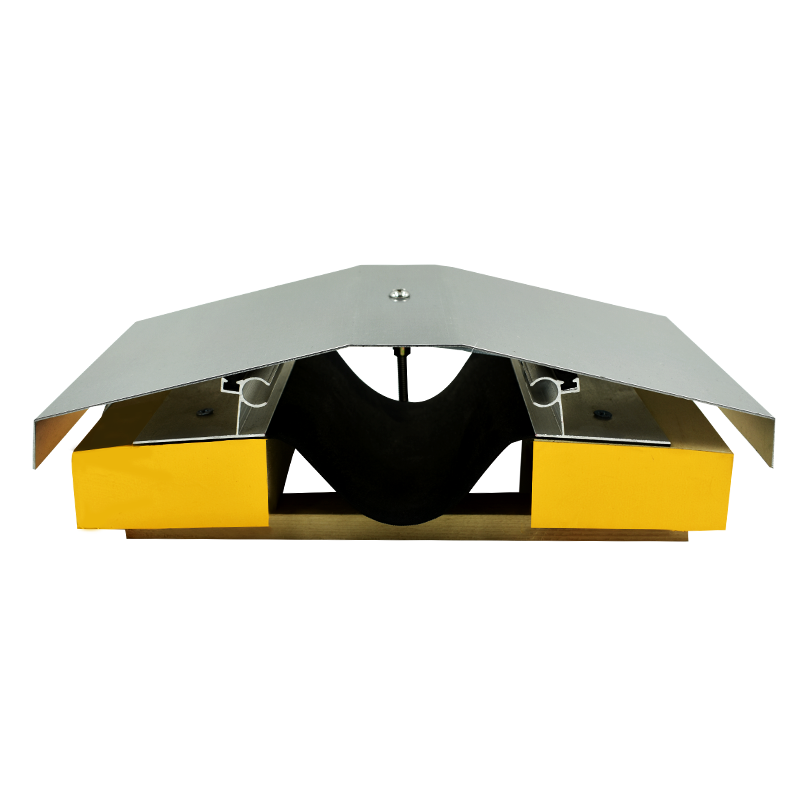
Avoiding these common pitfalls—like rushing diagnosis, using mismatched materials, or skipping prep work—matters more than you think. It can be the difference between a repair that lasts a decade and one that fails in just a year.
The most common mistake is failing to adequately clean the joint. Any dust, moisture, or old sealant left behind will prevent the new polyurethane from bonding correctly, leading to premature failure. Take the extra time to ensure the concrete surfaces are immaculately clean and dry.
Applying sealant into a deep joint without a Backer Rod is a recipe for disaster. It wastes a tremendous amount of expensive sealant and creates a joint that is too deep to flex properly, causing it to tear. Using a Backer Rod that is too small will allow it to shift, creating an uneven sealant depth.
The ideal sealant shape for an expansion joint is like an hourglass, wider at the top and bottom than in the middle. The Backer Rod creates this shape. If you apply too little sealant, it won't be able to withstand the movement. Too much sealant creates a deep bead that cannot stretch properly. The rule of thumb is that the sealant depth should be about half its width.
Repairing your concrete expansion joints is more than just a maintenance chore; it’s a proactive step toward preserving the value and safety of your property. By understanding the purpose of these joints, correctly diagnosing issues, and following a methodical repair process, you can stop water intrusion, prevent cracking, and restore the clean, finished look of your concrete surfaces. The key to a durable, professional-quality repair lies in meticulous preparation, using the right materials like polyurethane sealants and Backer Rod, and avoiding common shortcuts. With this guide in hand, you are fully equipped to take on this project with confidence. Yes, you can do it.


